

Most Common
NDT Methods
The following methods are the most commonly used in the field of NDT, each offering unique advantages for detecting and evaluating defects:
 01
01
Electromagnetic Testing (ET)
Includes techniques such as eddy current testing, which uses electromagnetic induction to detect flaws in conductive materials. It is commonly used in aircraft maintenance and the inspection of thin-wall tubing.
Learn More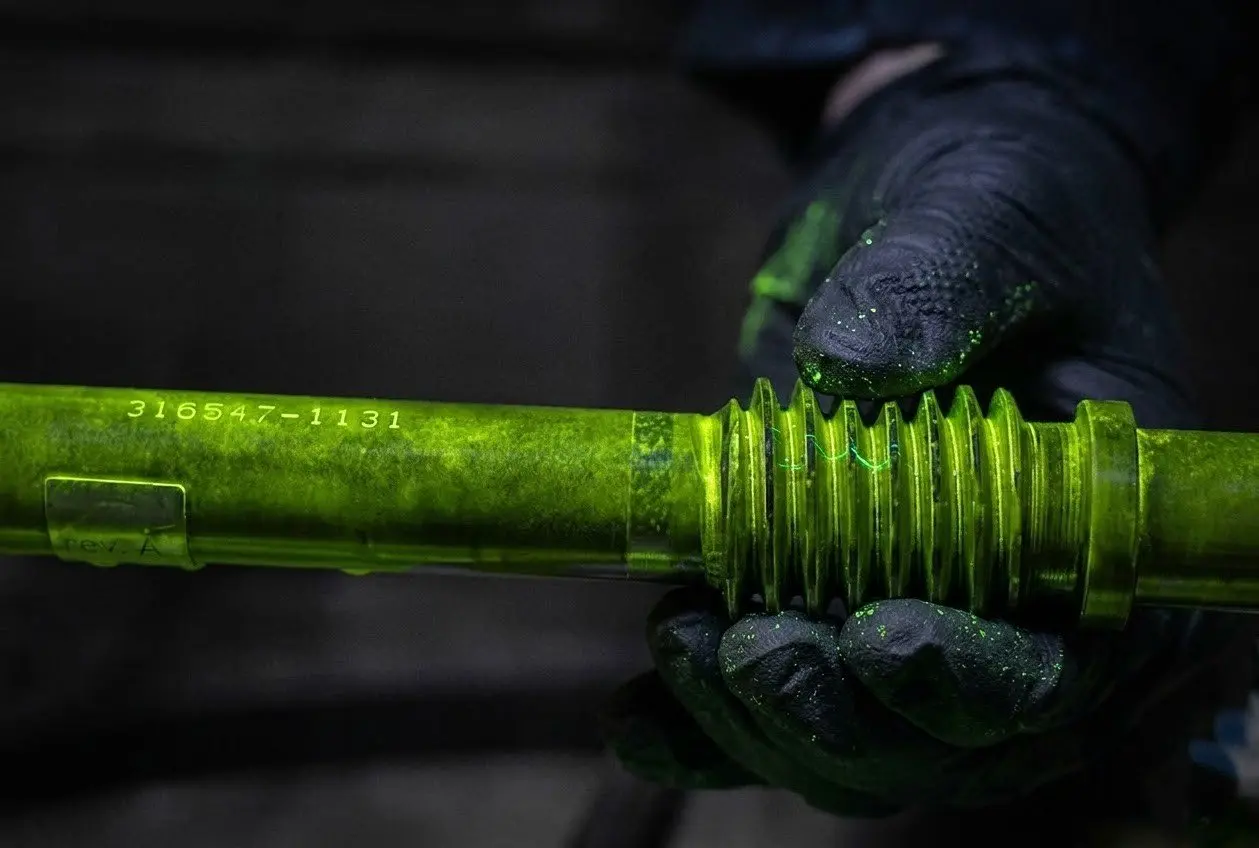 02
02
Magnetic Particle Testing (MT)
Used to locate surface and near-surface discontinuities in ferromagnetic materials. It involves magnetizing the part and applying ferromagnetic particles to reveal defects.
Learn More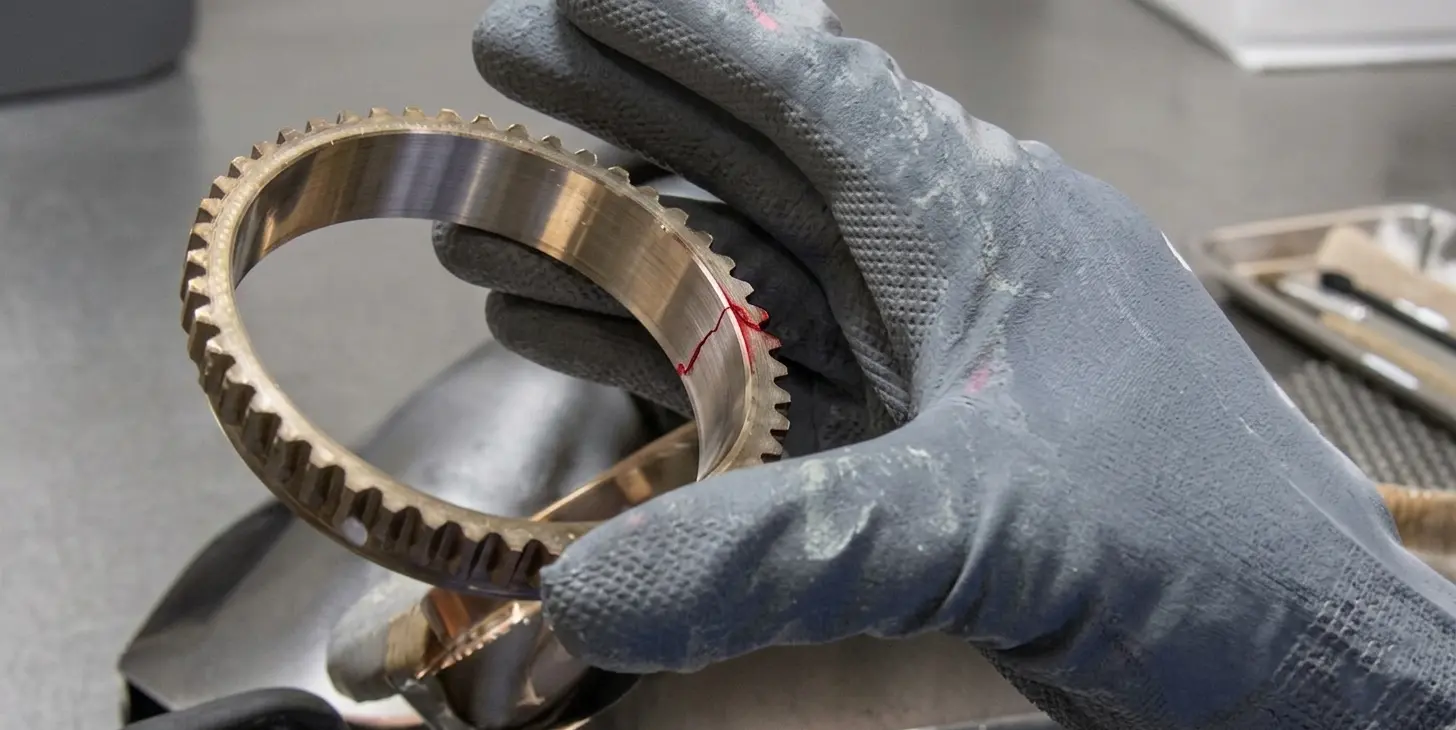 03
03
Liquid Penetrant Testing (PT)
Reveals surface discontinuities in solid and nonporous materials. A liquid penetrant is applied to the surface, which seeps into cracks and cavities, making them visible under ultraviolet or visible light.
Learn More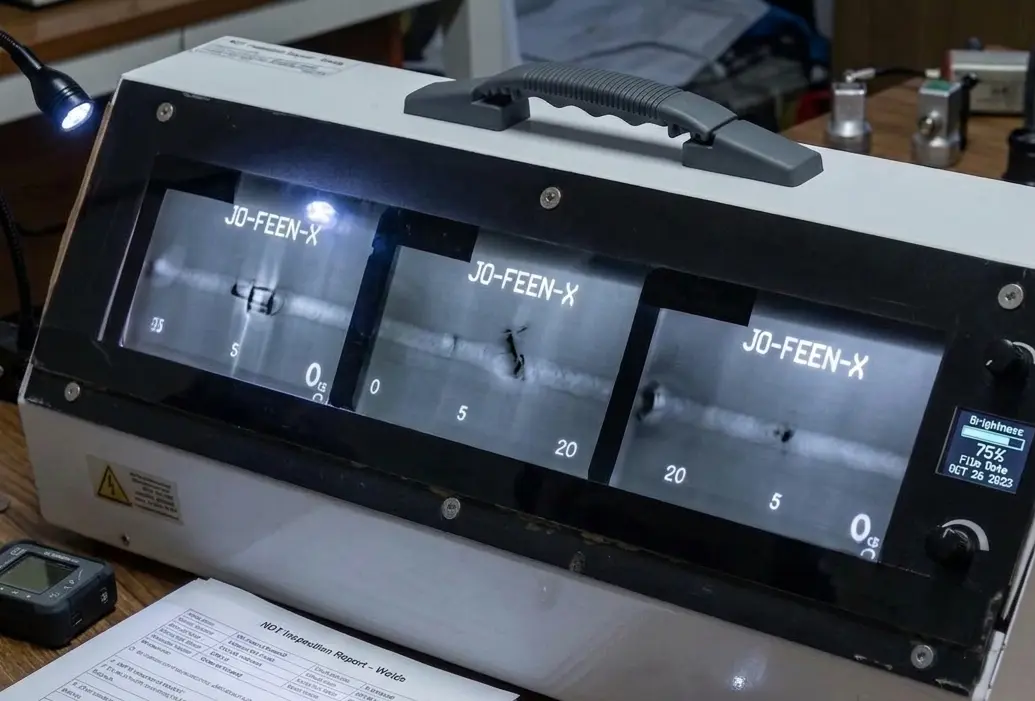 04
04
Radiographic Testing (RT)
Uses X-rays or gamma rays to create images of the internal structure of a component. It is primarily used to inspect castings, weldments, and mechanical assemblies for internal defects.
Learn More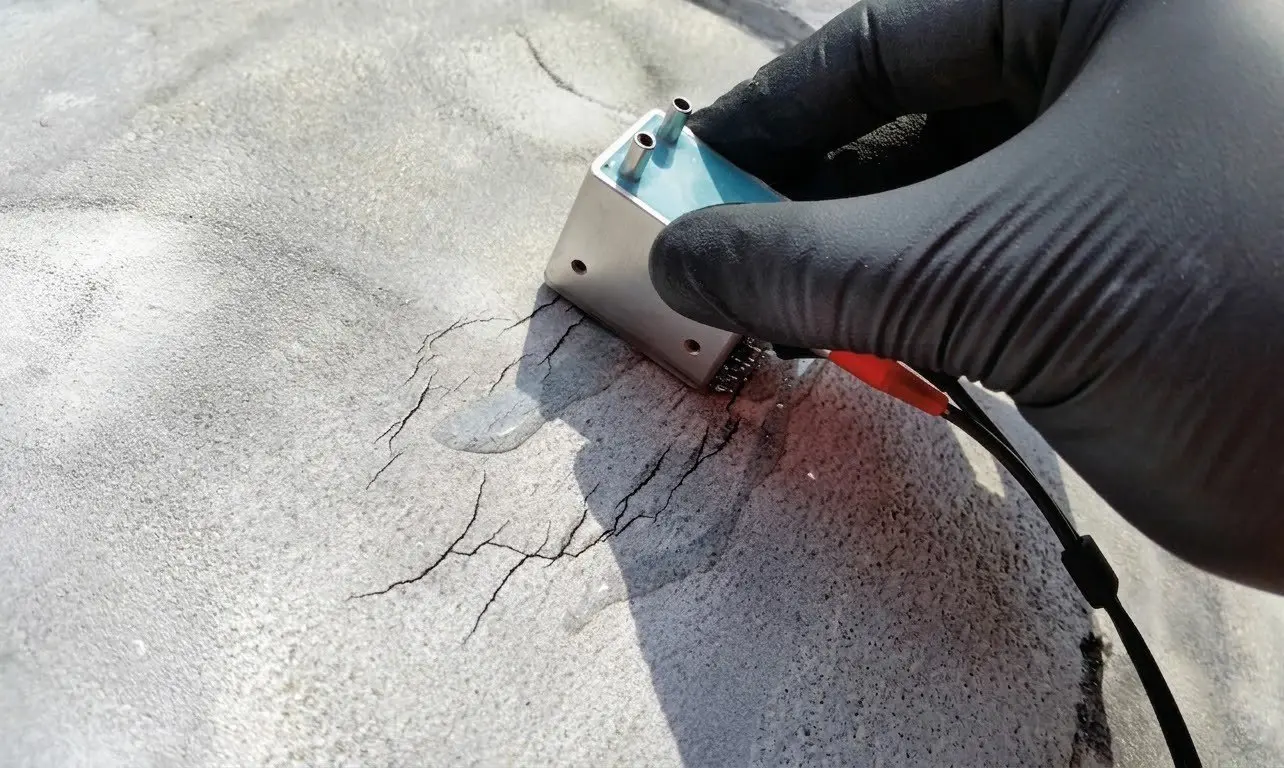 05
05
Ultrasonic Testing (UT)
Employs high-frequency sound waves to detect surface and subsurface discontinuities. It is widely used for inspecting pressure vessels, machinery, and bridges.
Learn More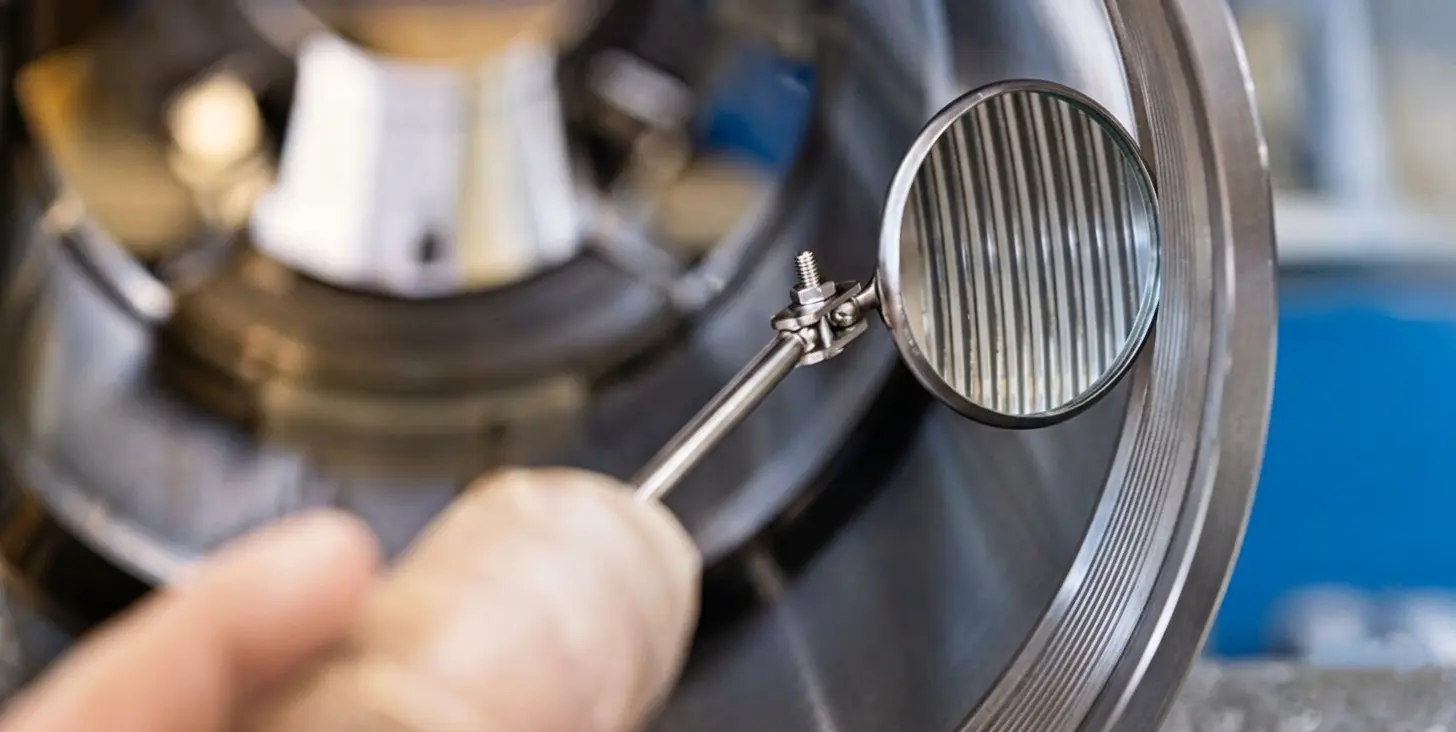 06
06
Visual Testing (VT)
The most basic NDT method, involving the direct inspection of a component using the naked eye or optical aids. It is often the first step before applying other NDT methods.
Learn MoreAdditional NDT Methods
Acoustic Emission (AE)
Monitors the release of energy from a material under stress, detecting the formation and growth of cracks.
Infrared Testing (IR)
Uses thermal imaging to detect heat patterns and anomalies in materials and components.
Ground Penetrating Radar (GPR)
Uses radar pulses to image the subsurface of materials. Commonly used in geotechnical investigations.
Guided Wave Testing (GW)
Uses low-frequency ultrasonic waves that travel along the length of a structure to detect defects.
Laser Methods (LM)
Use laser technology for precise measurements and inspections including shearography and profilometry.
Leak Testing (LT)
Involves various methods to detect and locate leaks in pressurized systems like tracer gas methods.
Magnetic Flux Leakage (MFL)
Detects corrosion in steel structures by magnetizing the material and measuring leakage fields.
Microwave Testing (MW)
Uses microwave frequencies to detect changes in the material properties of a component.
Neutron Radiography (NR)
Uses neutrons instead of X-rays to inspect materials that are difficult to penetrate traditionally.
Vibration Analysis (VA)
Monitors vibration characteristics of machinery to detect imbalances or mechanical issues.
GET YOUR LIMITED-TIME OFFER
Call us at +886-6-270-0221 or mail to sales@pmtndt.com / psc@pmtndt.com

- AI Robot Defect Recognition System
- NDT Automated Integrated Equipment Solutions
- NDT Customized System
- Magnetic Particle Inspection (MPI) Equipment
- Fluorescent Penetrant Inspection (FPI) Systems
- Chemical Cleaning & Etching System
- UV-A / Black Lights
- AI Robot Defect Recognition System
- NDT Automated Integrated Equipment Solutions
- NDT Customized System
- Magnetic Particle Inspection (MPI) Equipment
- Fluorescent Penetrant Inspection (FPI) Systems
- Chemical Cleaning & Etching System
- UV-A / Black Lights