

--------
----------------
Quality Control of Rough Automotive CV Joints
Automotive CV joints are critical drivetrain components that endure steering forces, torque transmission, and continuous operational loads. Although rough blanks have not undergone final machining, defects such as cracks, material shortage, or surface damage generated during forging, cutting, handling, and pre-treatment can still compromise subsequent machining yields and final component reliability.
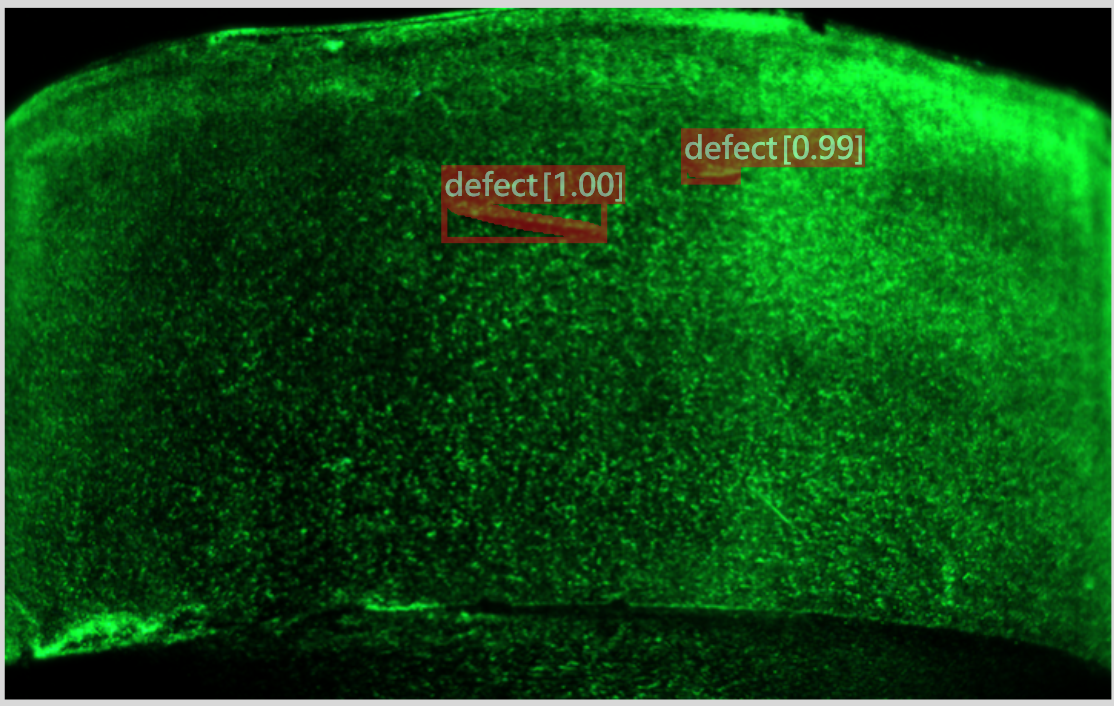
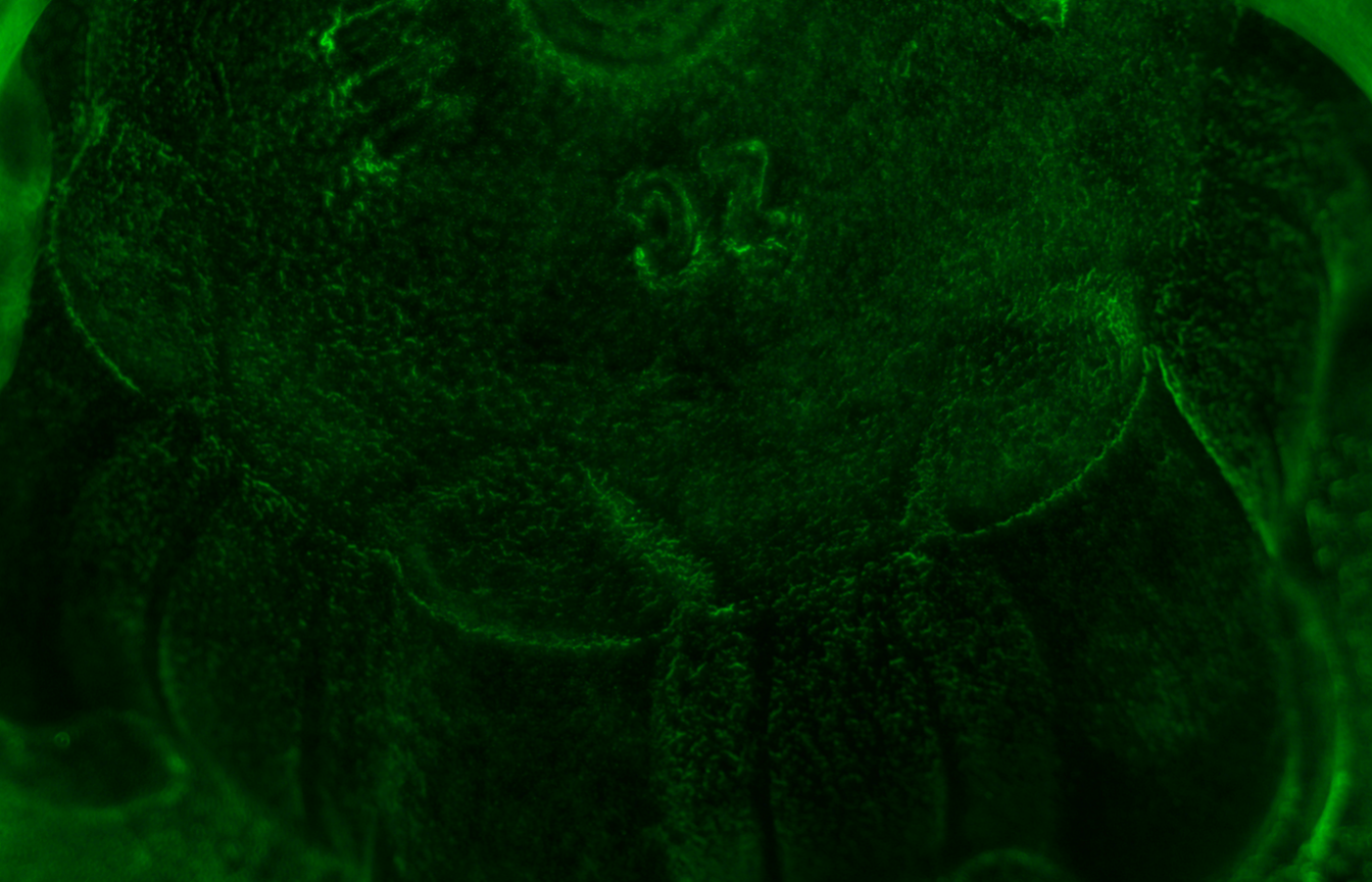
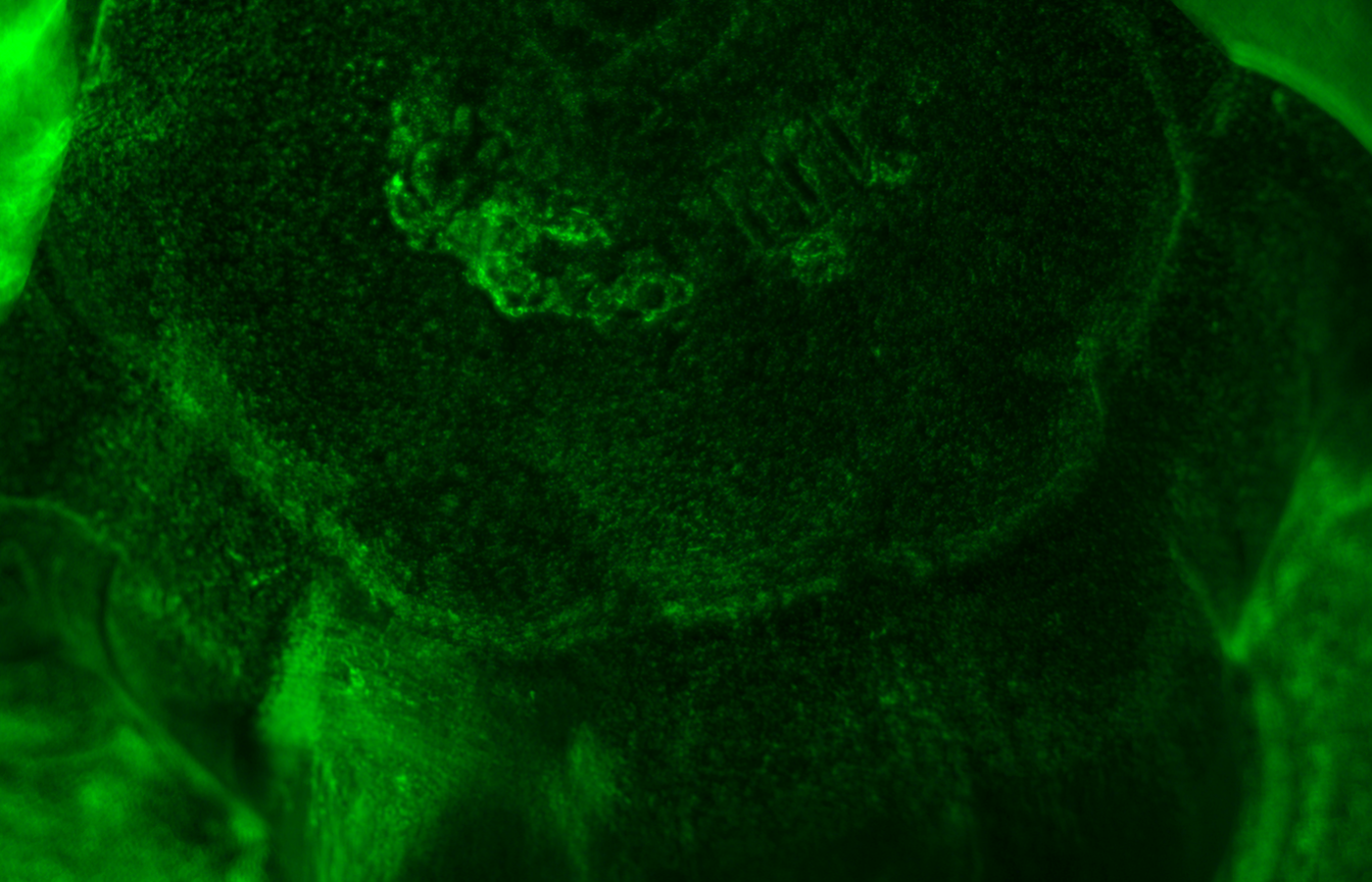
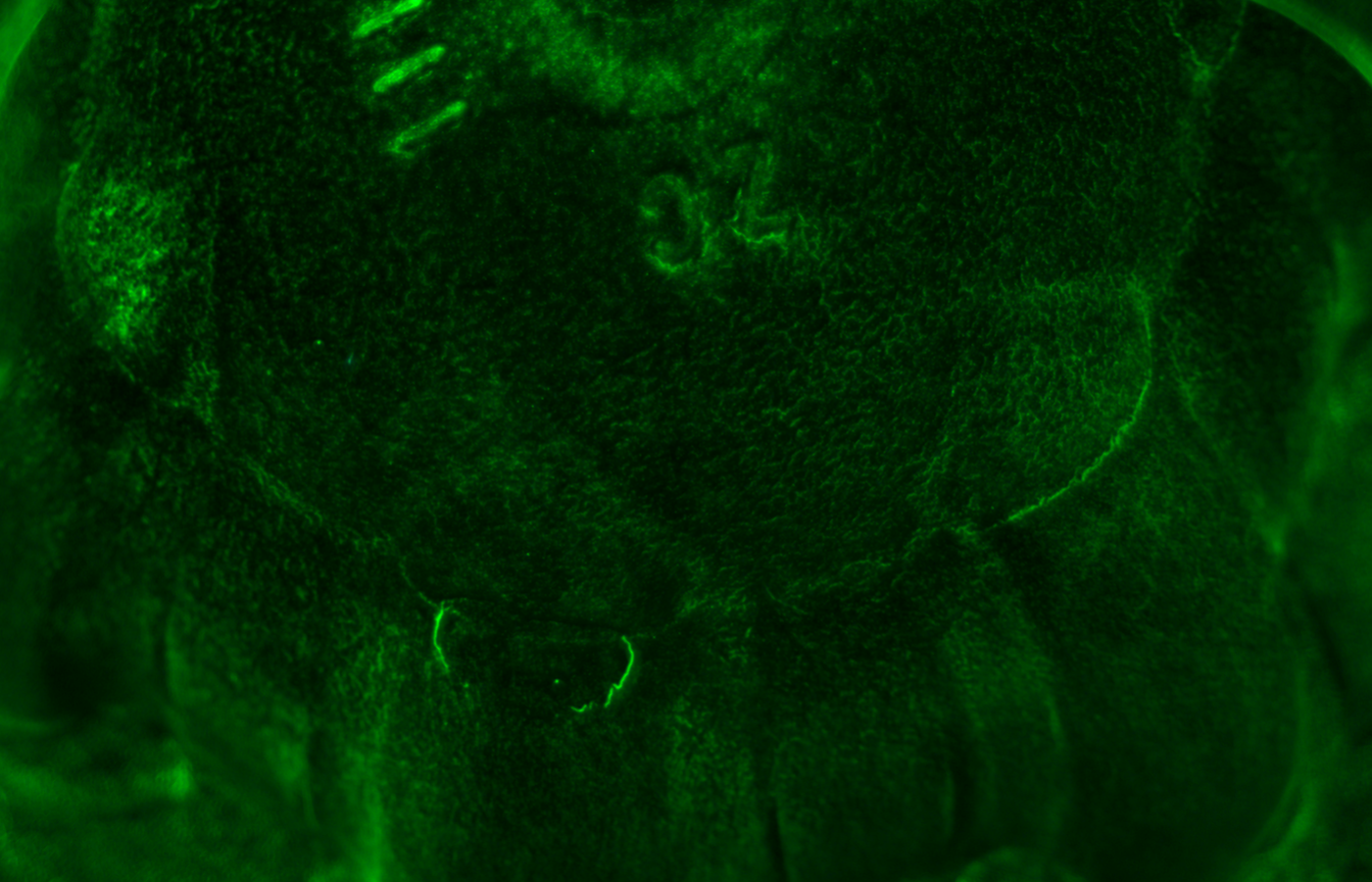
In mass production, failing to intercept defects at the rough stage increases subsequent machining and inspection costs, leading to unnecessary process waste. For these magnetizable metal workpieces, MPI can be applied to make cracks, lack of fusion, and near-surface discontinuities visible, which are then interpreted and localized by iEagleAI.
Rough Metal Surfaces and Irregular Geometries Complicate Identification
iEagleAI AI Defect Recognition for Rough CV Joints
Detectable Defect Types
Detectable Defect Types
- Surface and subsurface cracks
- MPI indications, dents, and impact damage
- Material shortage, burrs, and edge irregularities
- Oxidation and rough-machined surface anomalies
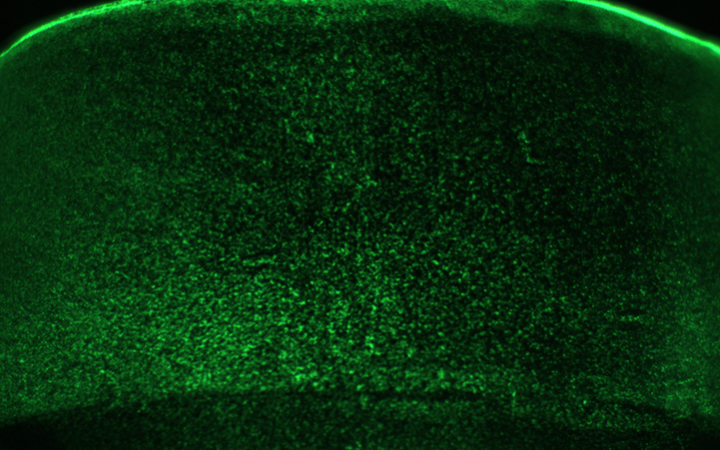
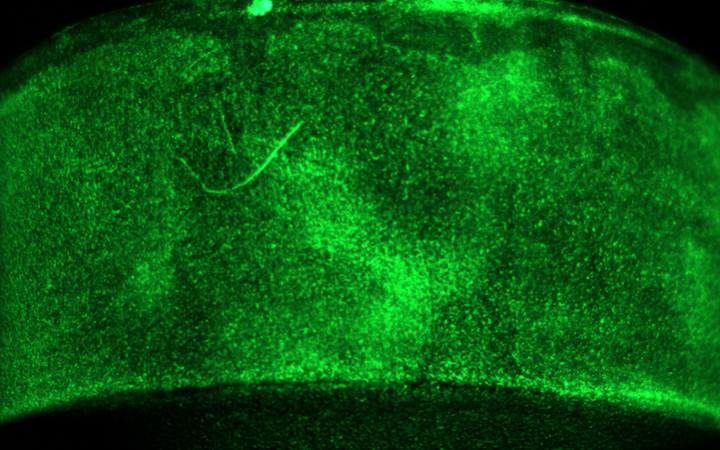 NG
NG
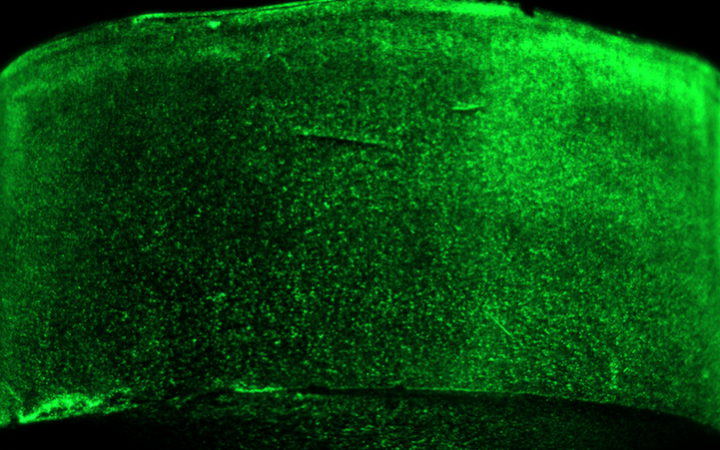 NG
NG
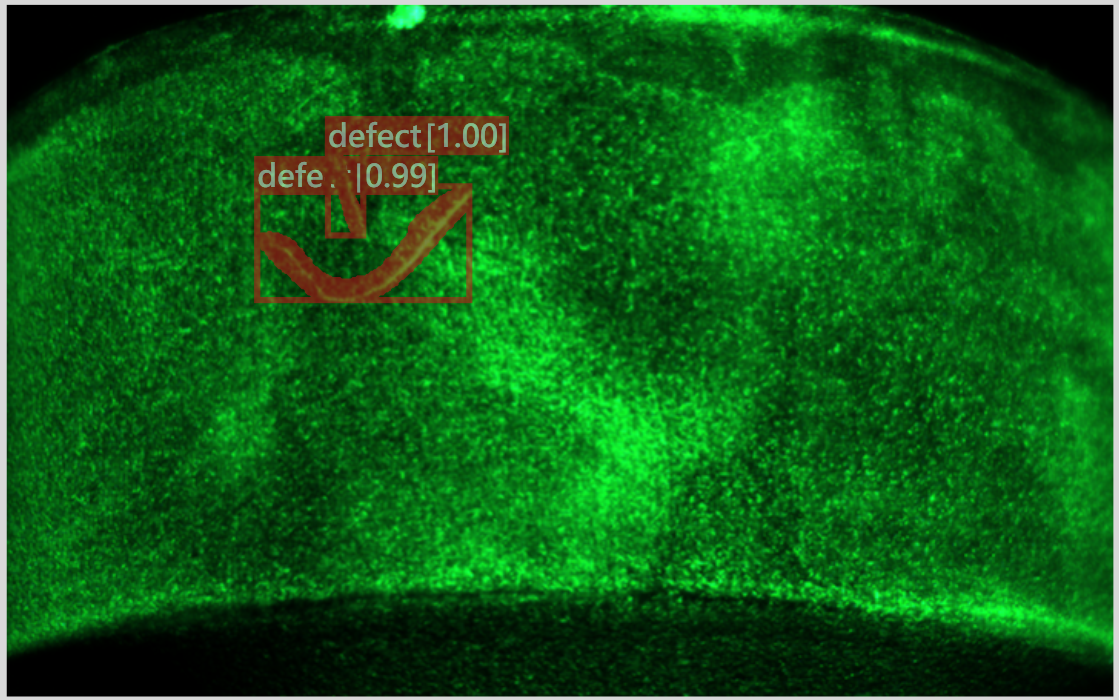 AI Detected
 AI Detected
 NG
NG
 NG
NG
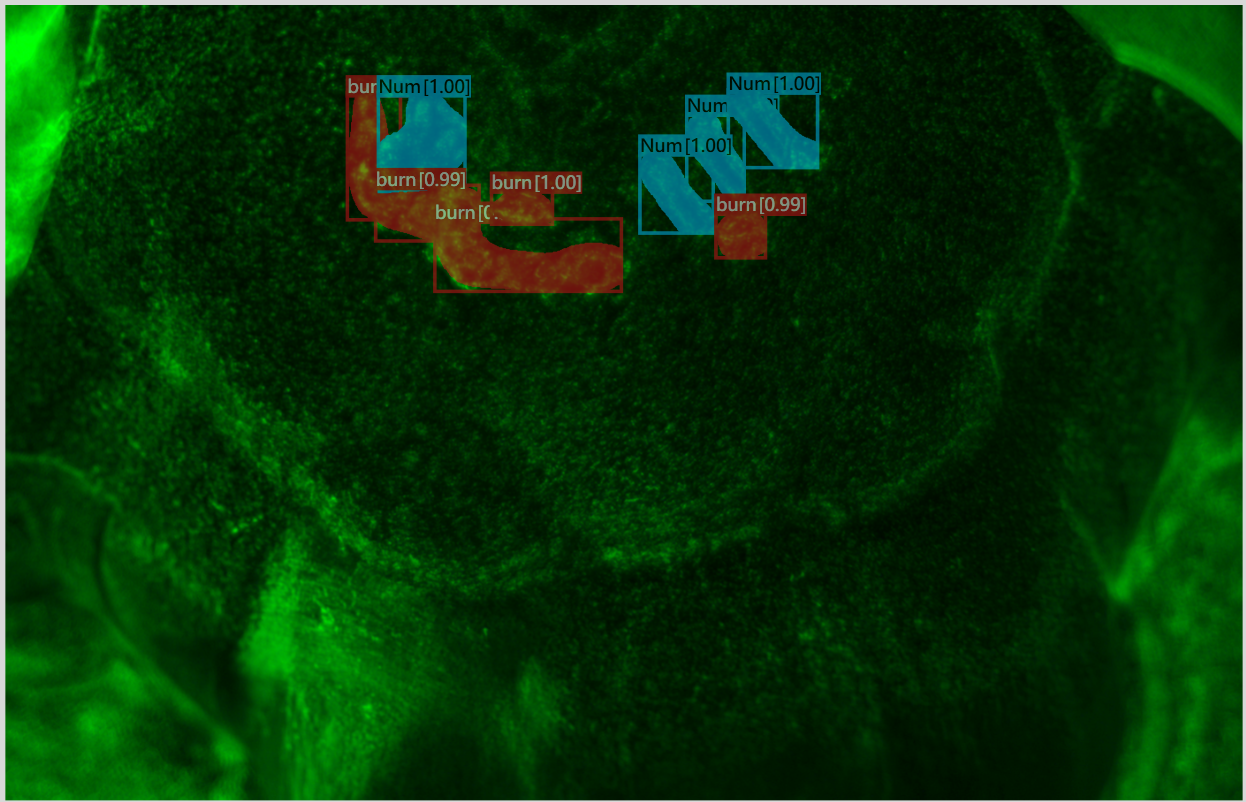 AI Detected
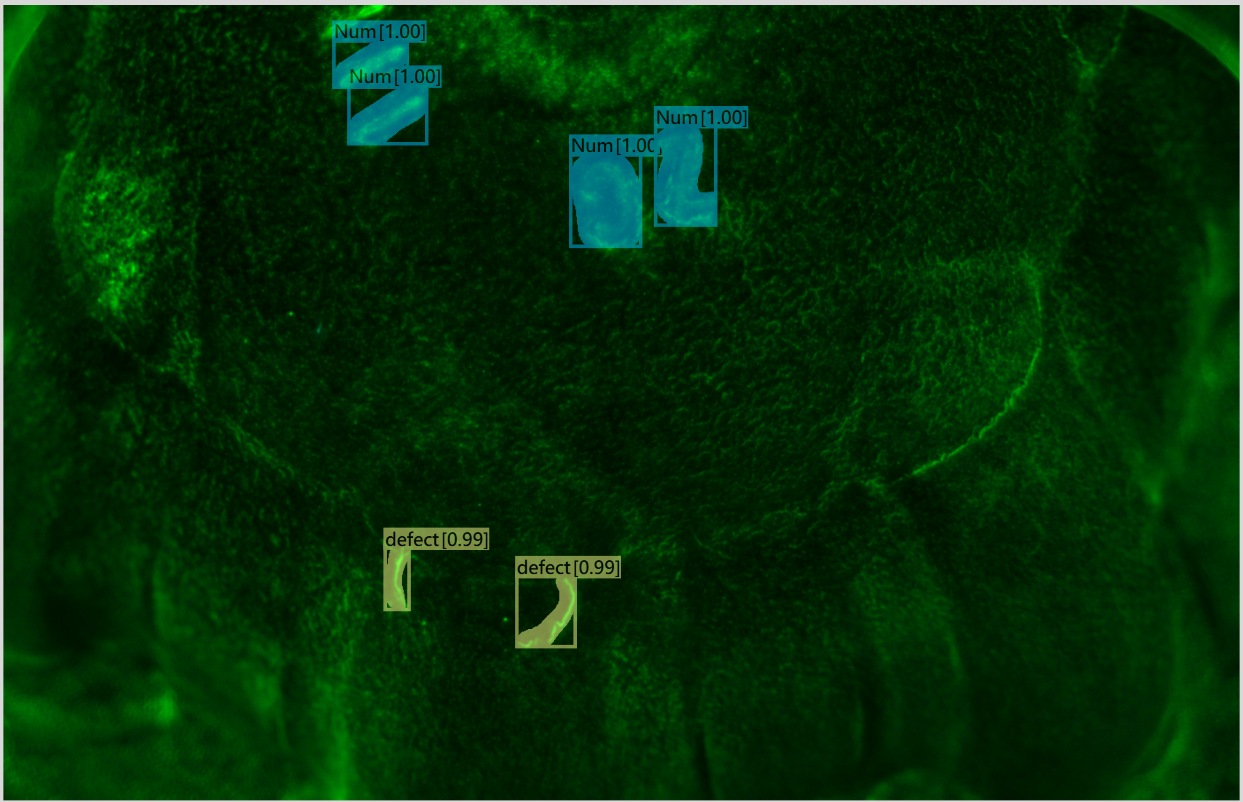 AI Detected
Inspection Outcomes
Enhanced defect inspection consistency at the rough blank stage.
Assisted in early interception of high-risk workpieces, reducing subsequent machining waste.
Supported defect localization marking and quality traceability.
Discuss Your Inspection Case with PROMAG
Call us at +886-6-270-0221 or mail to sales@pmtndt.com / psc@pmtndt.com

- AI Robot Defect Recognition System
- NDT Automated Integrated Equipment Solutions
- NDT Customized System
- Magnetic Particle Inspection (MPI) Equipment
- Fluorescent Penetrant Inspection (FPI) Systems
- Chemical Cleaning & Etching System
- UV-A / Black Lights
- AI Robot Defect Recognition System
- NDT Automated Integrated Equipment Solutions
- NDT Customized System
- Magnetic Particle Inspection (MPI) Equipment
- Fluorescent Penetrant Inspection (FPI) Systems
- Chemical Cleaning & Etching System
- UV-A / Black Lights