

--------------
----------------
Early-Stage Quality Inspection of Rough Industrial Connecting Rods
Rough connecting rods are critical structural parts before machining and assembly. The initial condition of their bores, edges, machined surfaces, and load-bearing zones directly affects downstream quality — cracks, burrs, impact dents, or material discontinuities at this stage raise machining risks and rework costs.
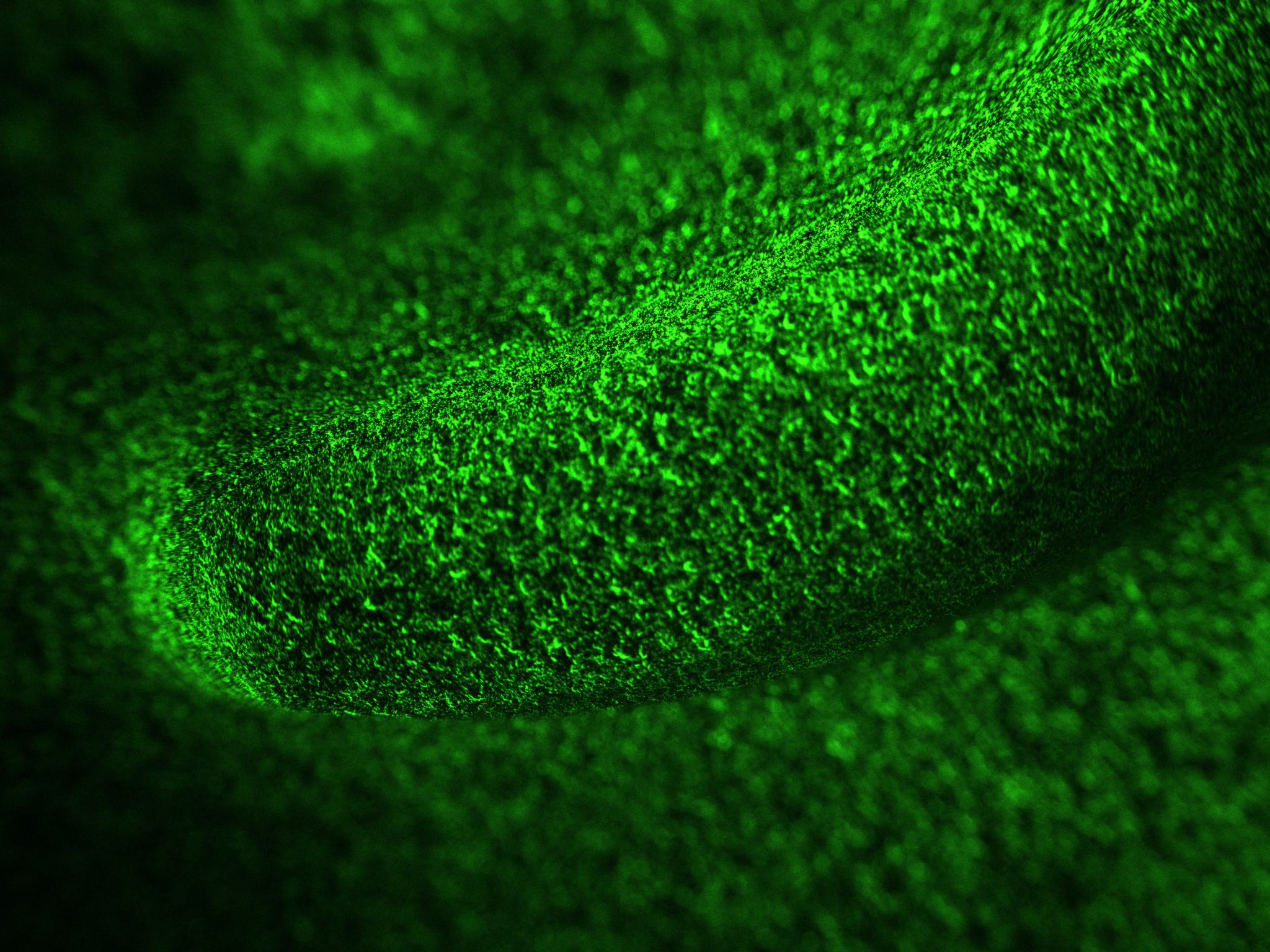
Rough blank surfaces often carry forging textures, machining marks, and batch-to-batch discoloration that interfere with manual evaluation. As these are magnetizable metal parts, MPI makes surface and subsurface discontinuities visible, letting iEagleAI turn those indications into consistent inspection results.
Scattered Defects Across Rough Bores, Edges, and Load-Bearing Zones Resist Easy Inspection
iEagleAI MPI Indication Interpretation for Rough Connecting Rods
Detectable Defect Types
- Bore burrs, edge chipping, and machining residues
- Surface and subsurface cracks in load-bearing zones
- MPI indications, machining scratches, and roughness anomalies
- Edge notches, localized deformation, and contamination
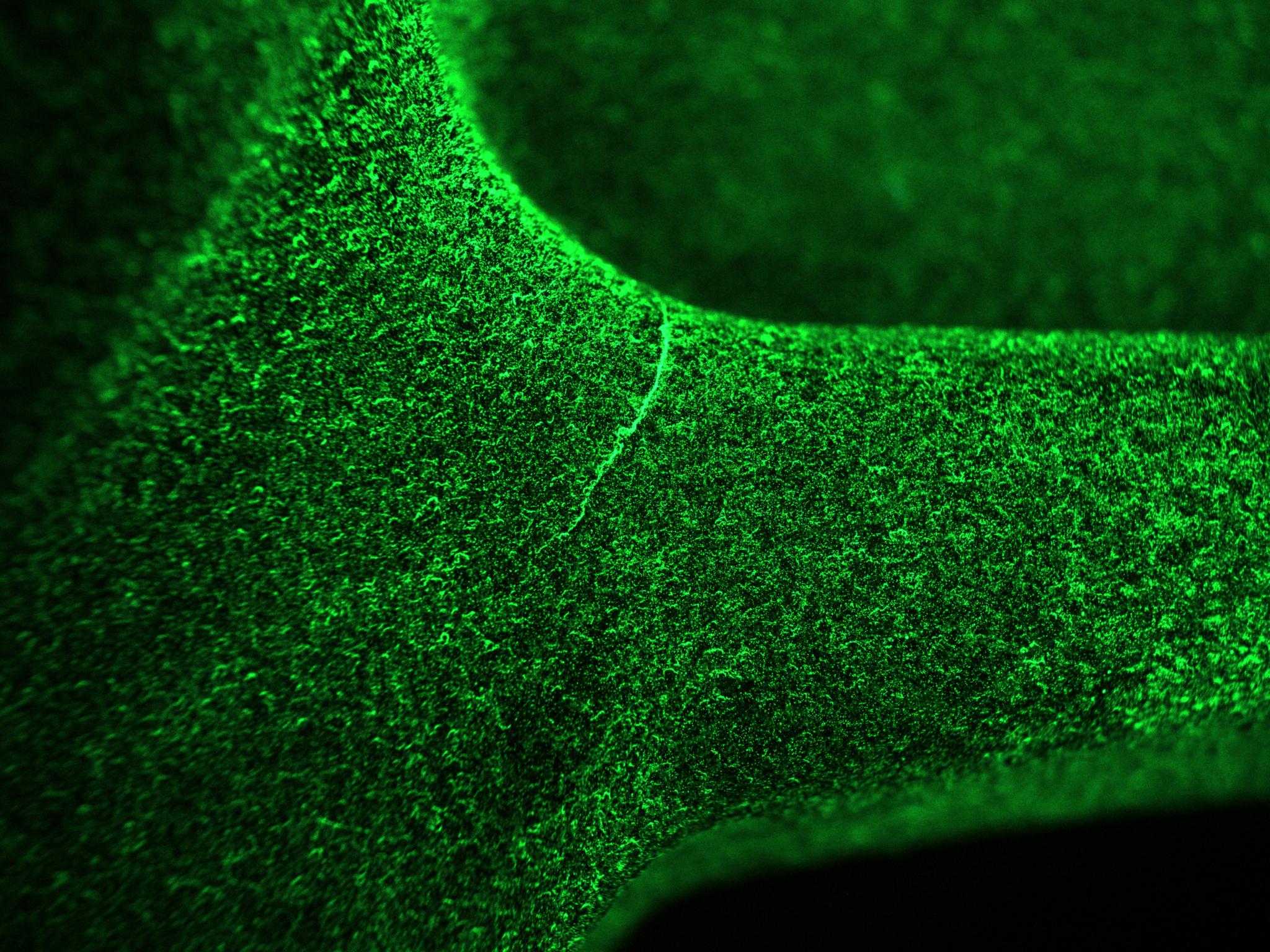 NG
NG
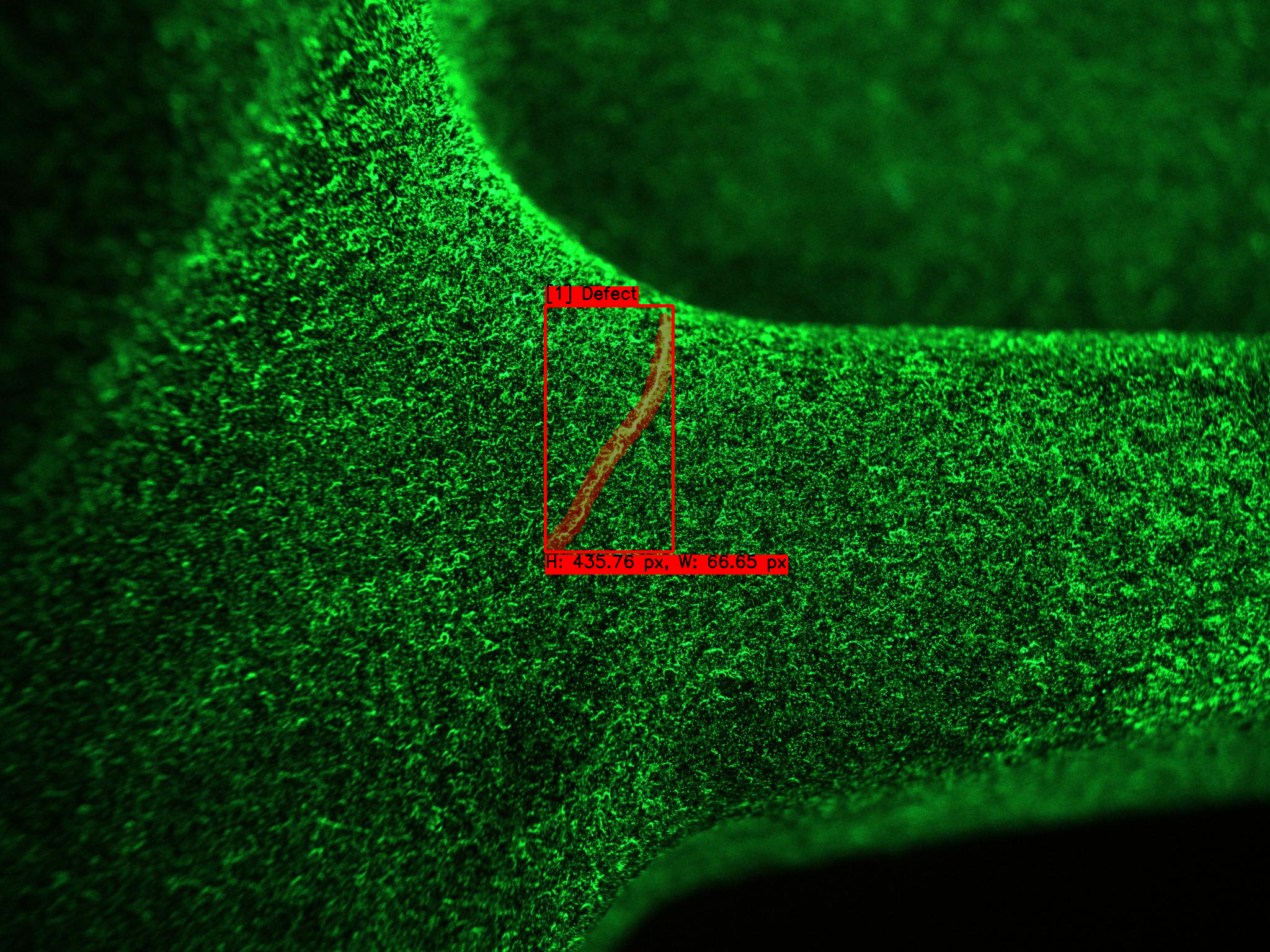 AI Detected
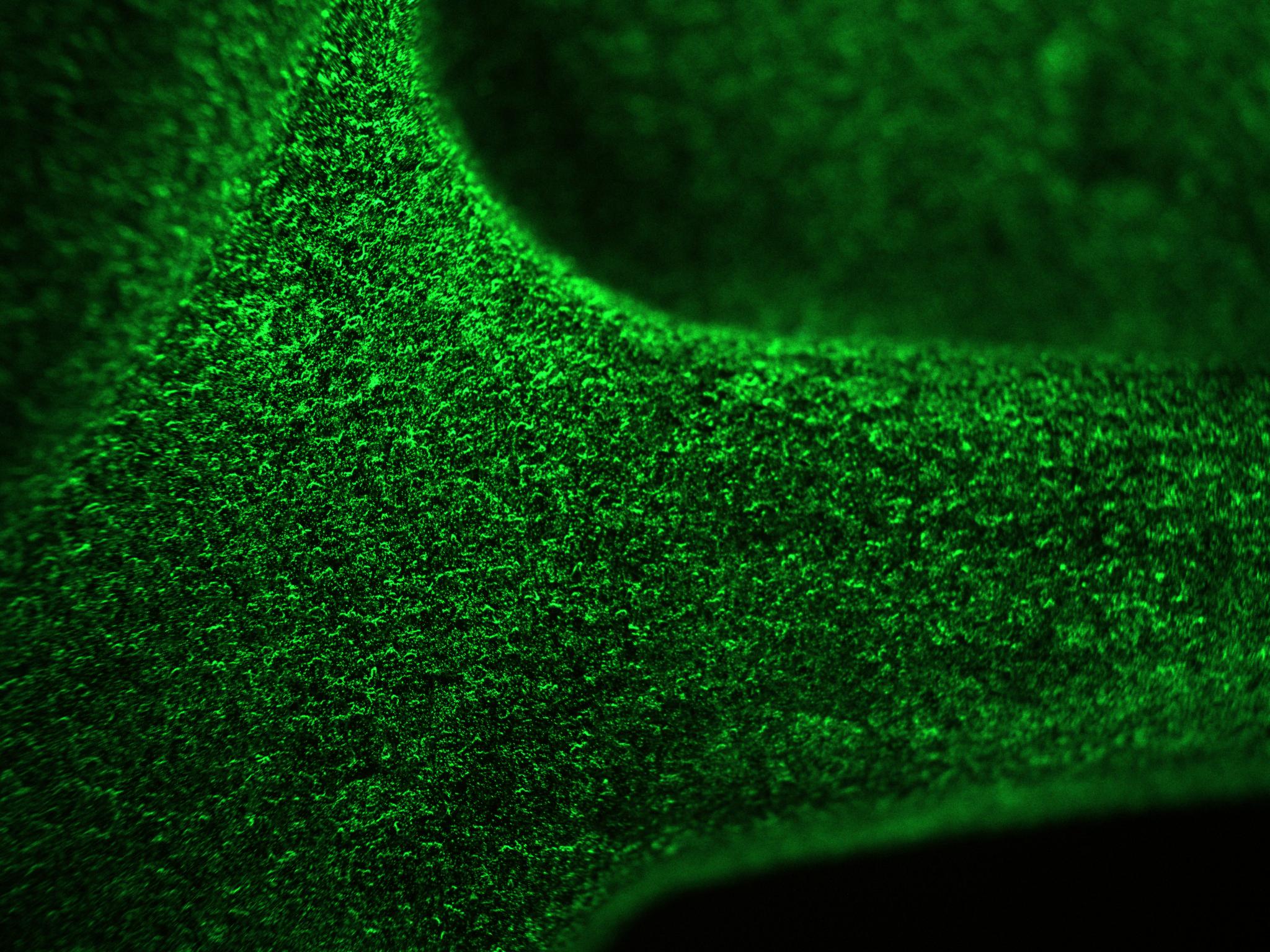 OK — No Defect
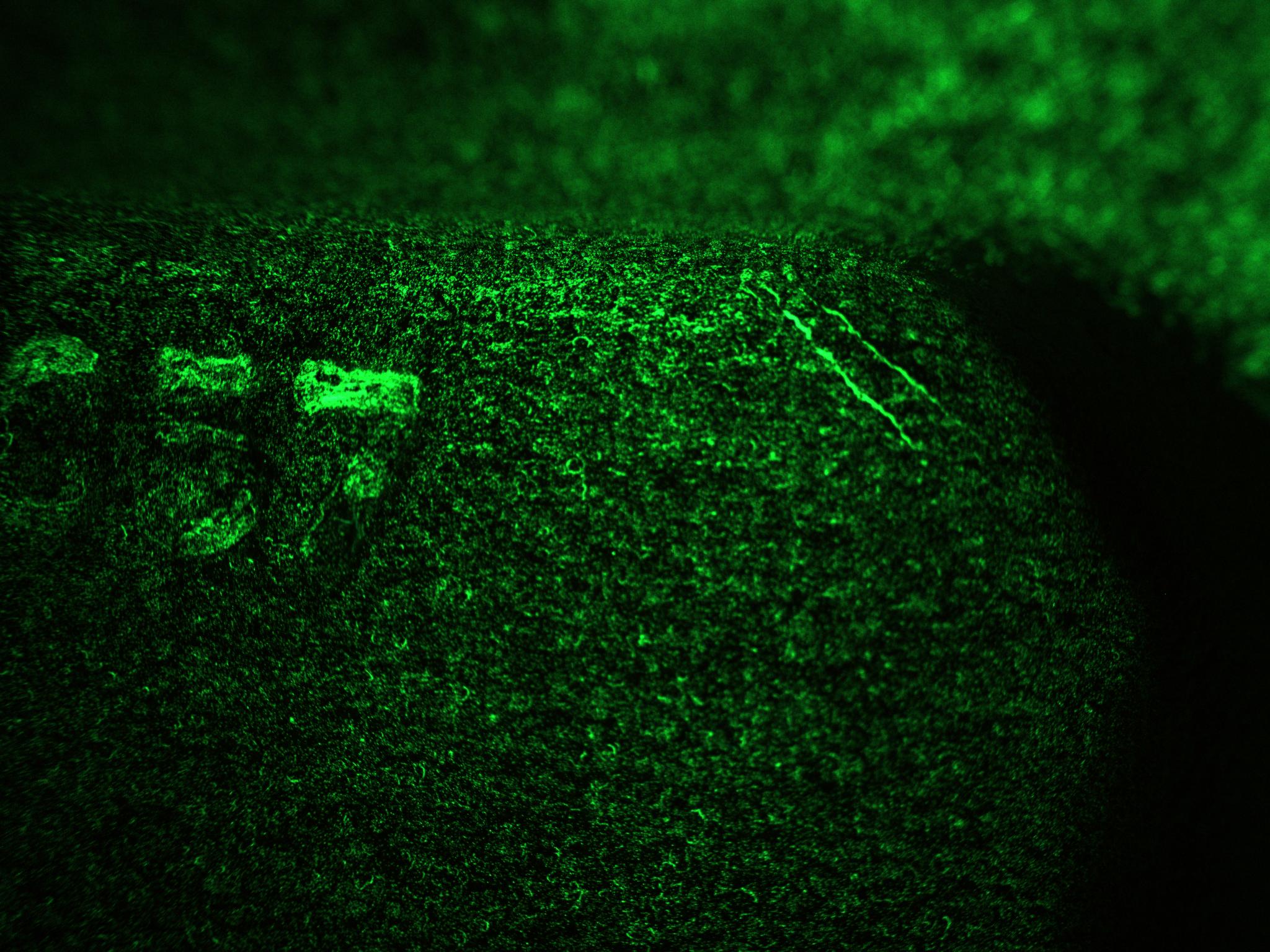 NG
NG
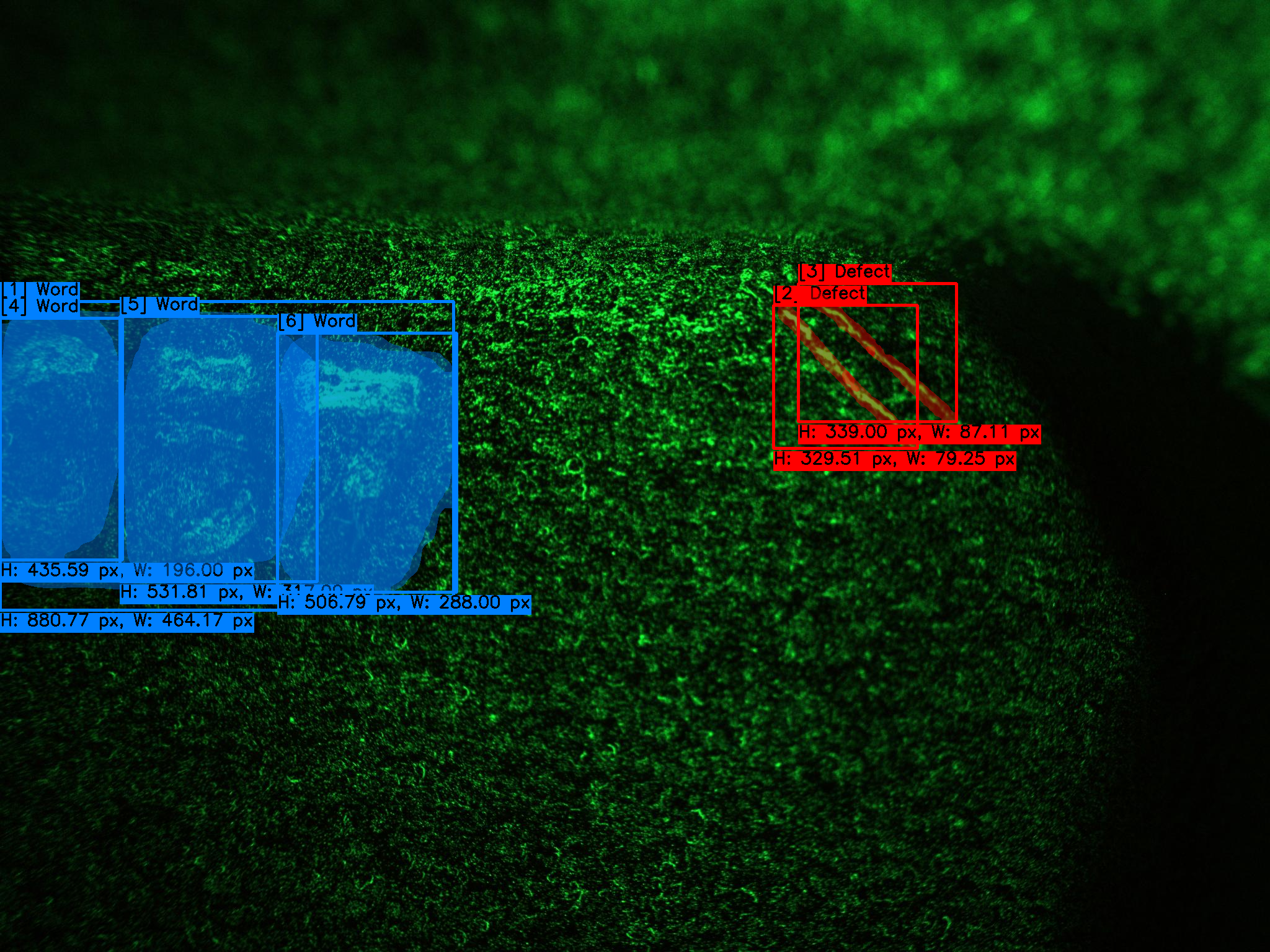 AI Detected
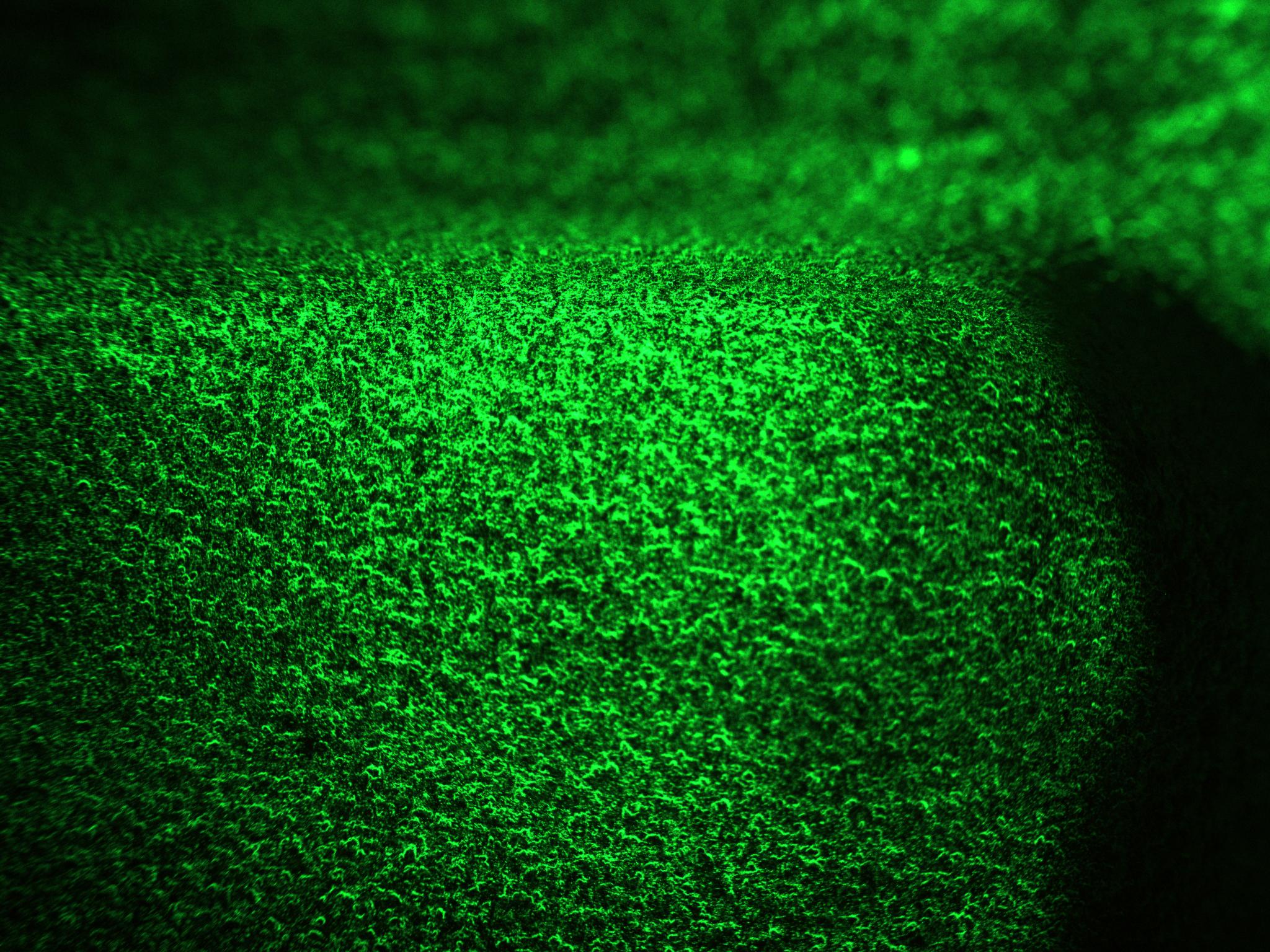 OK — No Defect
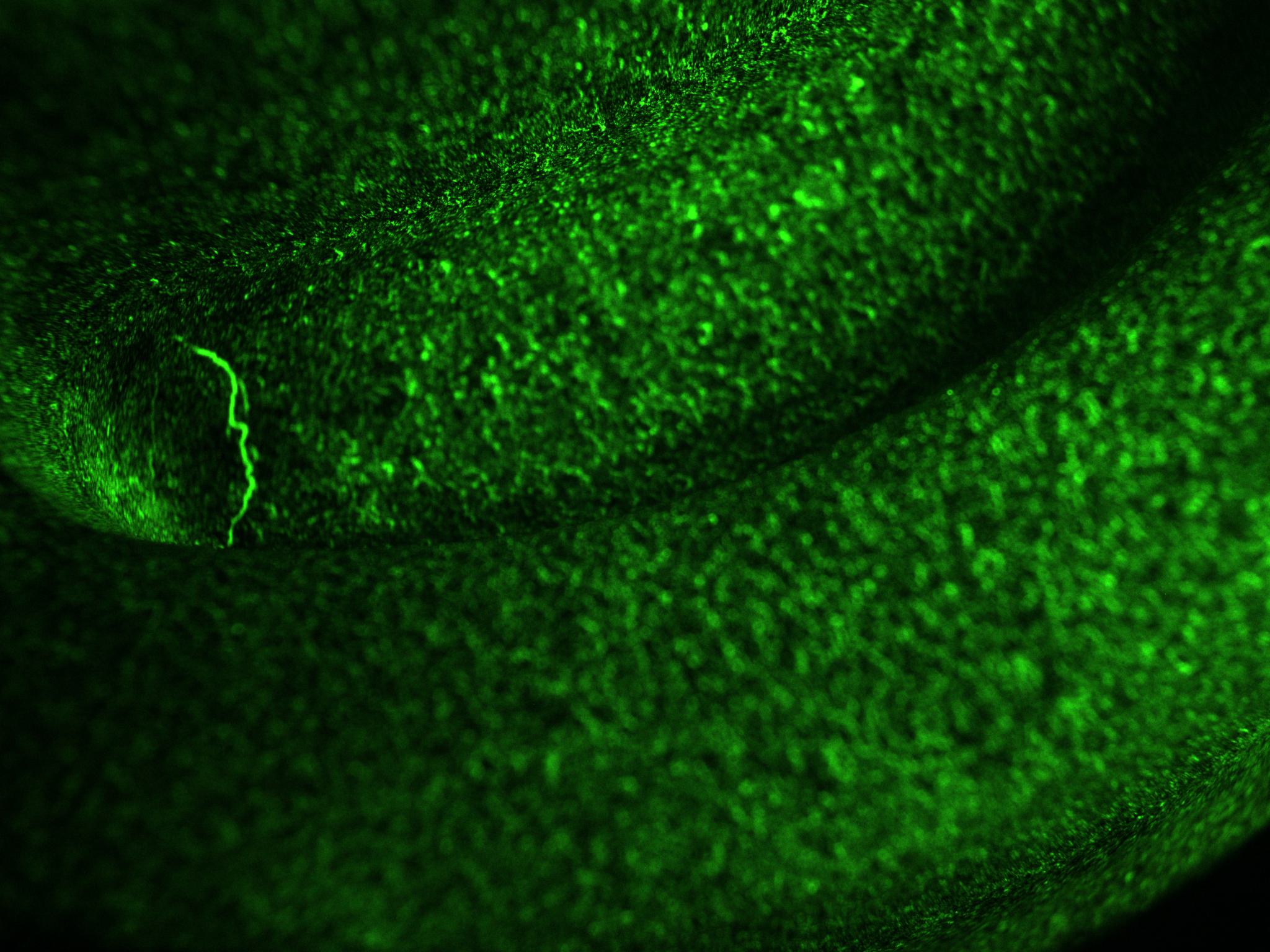 NG
NG
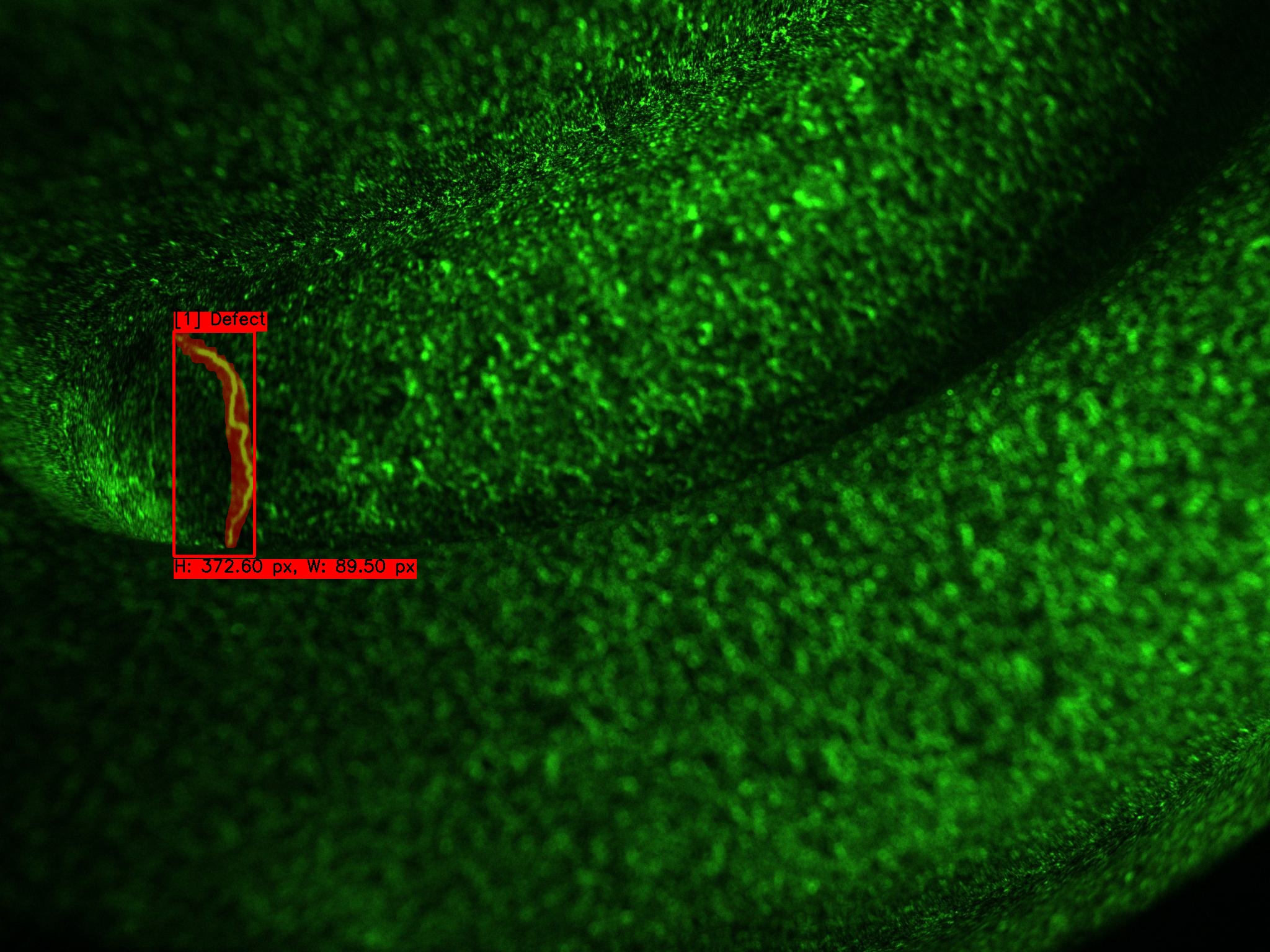 AI Detected
 OK — No Defect
Inspection Outcomes
Established a standardized framework for the cosmetic inspection of rough connecting rods.
Mastered the detection of scattered defects across bores, edges, and rough-machined surfaces.
Retained defect classification and localization insights to drive manufacturing process improvements.


Discuss Your Inspection Case with PROMAG
Call us at +886-6-270-0221 or mail to sales@pmtndt.com / psc@pmtndt.com

- AI Robot Defect Recognition System
- NDT Automated Integrated Equipment Solutions
- NDT Customized System
- Magnetic Particle Inspection (MPI) Equipment
- Fluorescent Penetrant Inspection (FPI) Systems
- Chemical Cleaning & Etching System
- UV-A / Black Lights
- AI Robot Defect Recognition System
- NDT Automated Integrated Equipment Solutions
- NDT Customized System
- Magnetic Particle Inspection (MPI) Equipment
- Fluorescent Penetrant Inspection (FPI) Systems
- Chemical Cleaning & Etching System
- UV-A / Black Lights